Pocket Playgrounds: Tracing How Mobile Apps Deliver Live Tables, Bingo Rounds, and Sports Markets to UK Users Seeking Streamlined Entry Points
Written by Gisela Baumann · Sep 22, 2026
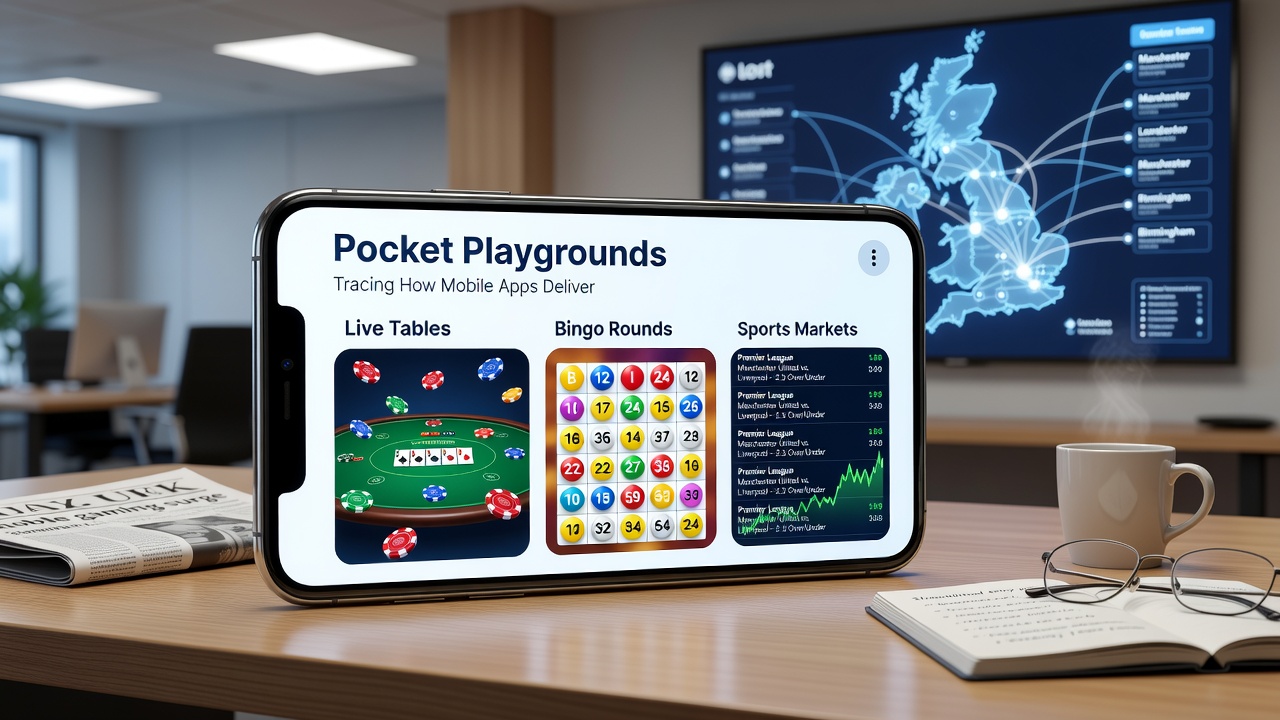
Pocket Playgrounds: Tracing How Mobile Apps Deliver Live Tables, Bingo Rounds, and Sports Markets to UK Users Seeking Streamlined Entry Points
Developers have refined mobile applications over the past decade to bring live dealer tables, bingo sessions, and sports betting markets directly to UK users through interfaces that prioritize quick navigation and minimal steps for account setup. These platforms operate within established regulatory frameworks that emphasize user verification at the outset while reducing friction once initial checks clear.
Early Development of Mobile Gaming Infrastructure
Smartphone penetration reached critical mass in the UK around 2015, prompting operators to shift resources toward native apps rather than browser-based alternatives. Companies adapted streaming technology from video platforms to handle real-time dealer interactions, which allowed roulette wheels and blackjack tables to appear on smaller screens without significant lag. Data from industry reports shows that download volumes for gambling apps grew steadily through 2018 as network speeds improved across major cities and rural areas alike.
Integration of bingo rounds followed a parallel path, with developers incorporating chat features and ticket purchasing systems that sync across devices. Sports markets expanded next, incorporating live odds updates pulled from multiple data feeds to cover Premier League matches and other events without requiring users to switch between separate applications.
Technical Mechanisms Behind Live Content Delivery
Apps employ content delivery networks positioned near UK data centers to minimize latency during live table sessions. Video feeds from physical studios or remote dealer setups compress into formats compatible with both iOS and Android operating systems, while touch controls replicate physical chip placement and card selection. Observers note that these optimizations emerged from partnerships between software firms and telecommunications providers seeking to support higher data throughput during peak evening hours.
Streamlined Registration Pathways
Entry processes in compliant apps typically involve document upload followed by automated verification that completes within minutes for most applicants. Once approved, users access deposit options that integrate directly with banking apps, bypassing additional portals. Research from academic sources indicates that such sequences reduce average time from download to first wager compared to desktop alternatives, though exact figures vary by operator implementation.
One case highlighted in trade publications involved an app that pre-populated address fields from device location services while still requiring explicit confirmation to meet compliance standards. This approach balanced convenience with regulatory demands without altering core verification protocols.
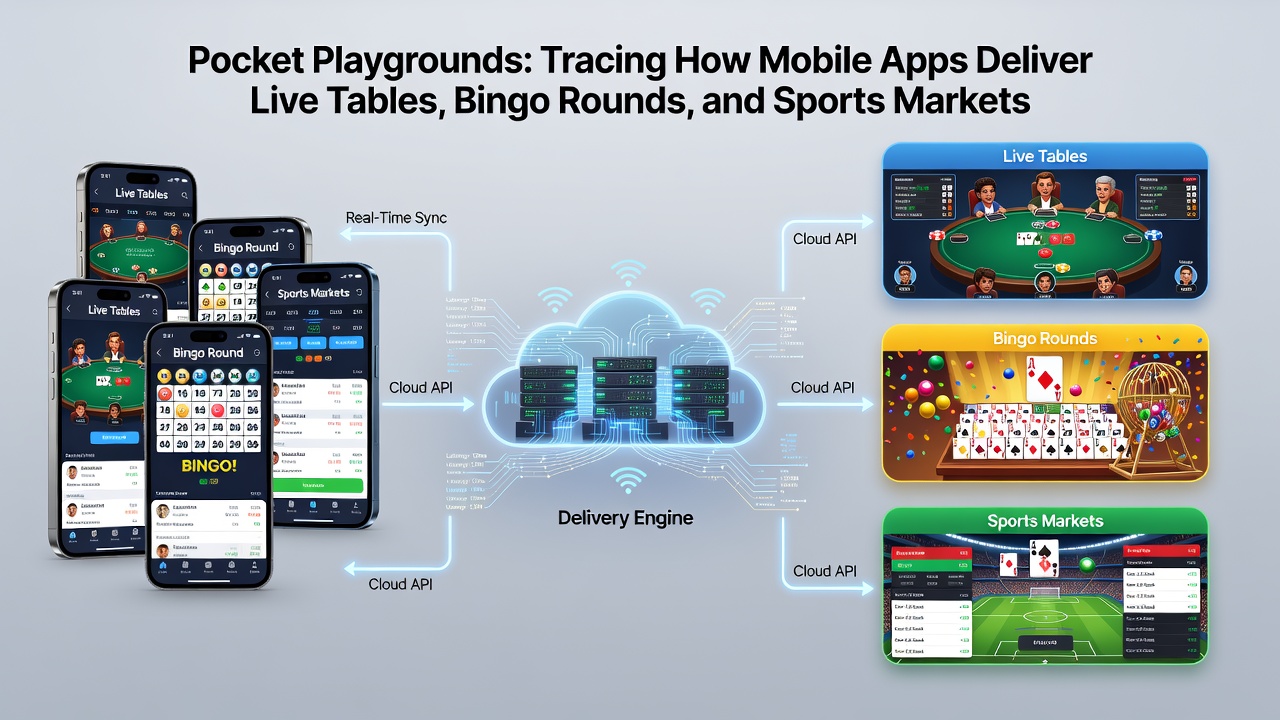
Bingo and Sports Market Adaptations
Bingo applications segment rooms by game type and stake level, allowing simultaneous participation in multiple rounds through split-screen views on larger phone models. Push notifications alert participants when numbers approach completion, drawing from server-side calculations that track player cards in real time. Sports sections meanwhile aggregate markets across football, horse racing, and tennis, with in-play betting interfaces updating odds every few seconds during matches.
According to findings published by the American Gaming Association, mobile sports wagering volumes in regulated jurisdictions demonstrated consistent growth patterns tied to app usability improvements rather than promotional incentives alone. Similar patterns appear in UK app analytics shared at industry conferences, where session durations extended when interfaces presented related betting opportunities without requiring separate logins.
Market Data and September 2026 Context
Figures released in September 2026 from European gaming associations revealed that mobile devices accounted for over 70 percent of interactive gaming activity in several member states, including patterns observed among UK participants. These statistics tracked increases in both live table engagement and bingo participation through applications that supported offline ticket storage for later synchronization. Sports markets showed particular strength during international tournaments, when apps delivered push updates directly to locked screens.
Analysts from research institutions have documented how geolocation checks combined with account-linked payment methods create entry points that comply with local rules while maintaining user flow. One study from a Canadian university examined comparable systems and found that streamlined interfaces correlated with higher retention rates across tested demographics.
Conclusion
Mobile applications continue to evolve their delivery of live tables, bingo rounds, and sports markets through incremental technical refinements and regulatory alignment. UK users encounter these services via platforms that consolidate multiple formats under single logins, supported by infrastructure investments that prioritize speed and reliability. Data from diverse regulatory bodies and academic sources confirms ongoing expansion in this segment, with September 2026 reports underscoring the role of device-centric design in shaping access patterns.