Following Electronic Trails: Payments Enabling Bingo Nights and Sports Wagers in Open Mobile Applications
Written by Ines Peters · Nov 3, 2026
Following Electronic Trails: Payments Enabling Bingo Nights and Sports Wagers in Open Mobile Applications
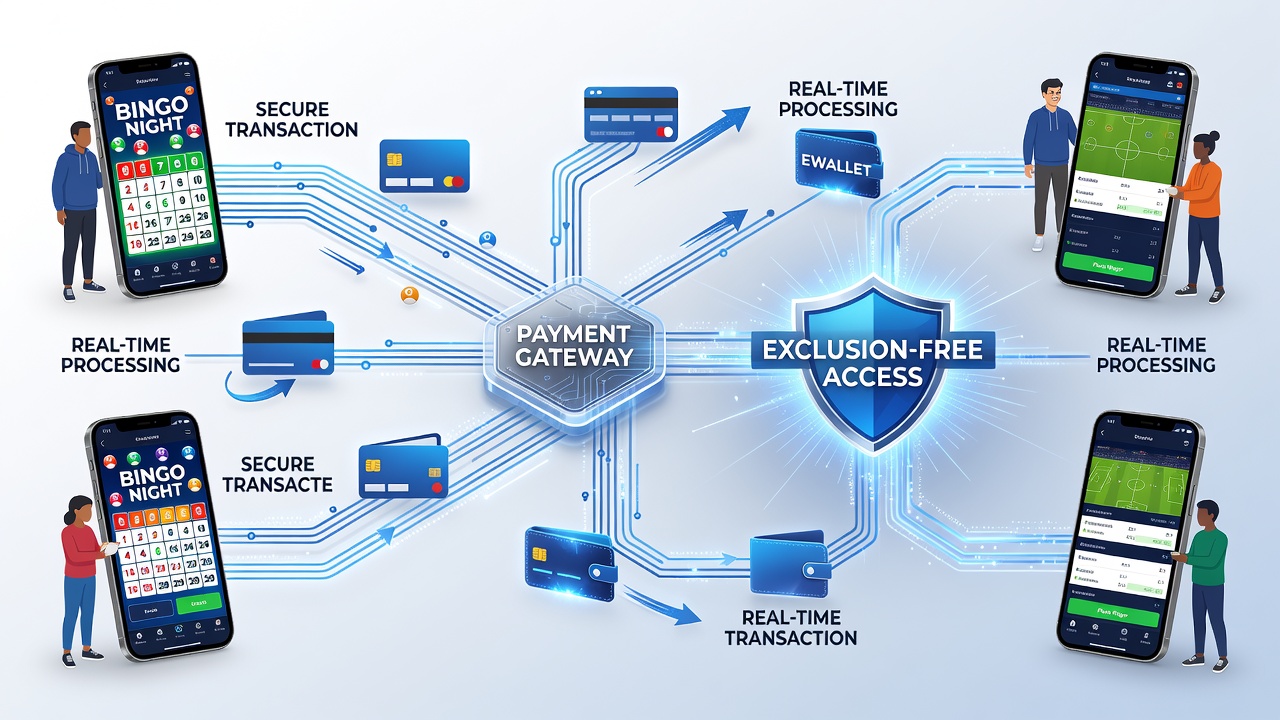
Payment pathways in exclusion-free mobile applications route funds from user accounts to operators through layered networks that support bingo sessions and sports wagers without integration into centralized restriction databases, and these systems rely on electronic transfers that process deposits within seconds while complying with regional financial regulations. Operators connect to multiple acquirers and processors so transactions bypass traditional verification layers, which allows players to fund accounts via bank transfers, digital wallets, or prepaid options that maintain anonymity in certain jurisdictions.
Core Components of Digital Fund Routes
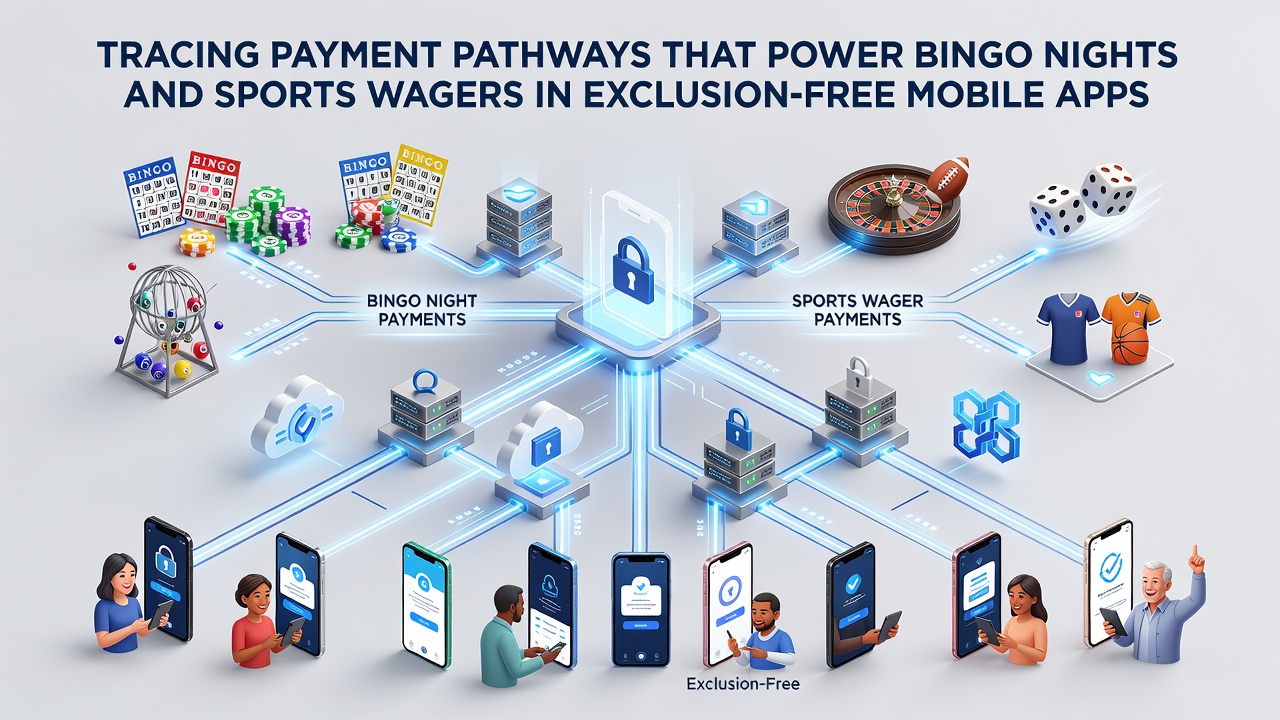
Electronic trails begin at the user interface where mobile apps embed secure APIs that encrypt data before forwarding requests to payment gateways, and these gateways then route funds through international clearing houses that handle currency conversion and settlement. Data from transaction logs shows that bingo night participation often peaks during evening hours when instant deposits enable real-time ticket purchases, whereas sports wagers follow live event schedules with pathways that support in-play adjustments through the same infrastructure. Observers note that November 2026 saw increased volumes in cross-border transfers as apps updated their processor partnerships to accommodate higher traffic from mobile users seeking uninterrupted access.
Common Transfer Mechanisms in Practice
Bank wires and automated clearing house systems form one primary route that moves larger sums directly between accounts, yet many applications integrate digital wallet services that split transactions across multiple smaller transfers to reduce detection risks and speed up approvals. Prepaid card networks add another layer where users load funds at retail points before entering codes into the app, and this method creates paper trails limited to initial purchase locations rather than full account details. Researchers at institutions tracking digital finance have documented how these varied entry points feed into centralized operator ledgers that reconcile balances across bingo halls and sportsbook sections simultaneously.
Security protocols encrypt each step so that intermediary banks and processors cannot access player activity histories, which keeps the pathways functional even when operators operate outside unified exclusion frameworks. Those who've examined app architectures find that withdrawal routes often reverse the deposit sequence, sending winnings back through the originating channel after internal compliance checks that focus on transaction patterns rather than identity verification.
Regional Variations and Settlement Timelines
European processors frequently partner with local banks to handle euro and pound transactions that settle overnight, while North American and Asian routes lean on faster instant methods tied to cryptocurrency exchanges or regional e-wallet providers. A report issued by the Australian Communications and Media Authority outlines how similar mobile payment ecosystems handle high volumes of gaming-related transfers without mandatory linkage to national restriction lists. Settlement data reveals that bingo-related deposits clear faster than sports wagers because fixed ticket prices reduce the complexity of odds calculations during fund movement.
November 2026 updates to certain processor APIs introduced new routing options that prioritize low-latency connections for live event betting, and these changes allowed apps to maintain continuous service across multiple time zones. Industry analysts tracking these shifts point to increased use of multi-hop transfers where funds pass through two or three intermediate accounts before final credit, a technique that enhances both speed and privacy features built into the platforms.
Integration With Game Mechanics
Bingo applications embed payment triggers directly into number-calling interfaces so that automatic top-ups occur when balances drop below set thresholds, and sports wagering modules link deposit buttons to odds boards that update in real time as matches progress. Observers have recorded cases where users complete multiple small deposits during a single evening session, each following an independent pathway that aggregates at the operator backend without triggering additional scrutiny. Those studying user behavior note that exclusion-free designs keep these mechanics separate from any shared databases, allowing seamless continuation of play across different app versions released in various markets.
Future Pathway Developments
Emerging technologies such as blockchain-based ledgers promise to add transparent yet pseudonymous tracking layers that operators can audit internally while keeping user details shielded from external queries. Academic papers from research groups at the University of Sydney have examined how such systems could scale to handle combined bingo and sports volumes without increasing processing delays, and preliminary models suggest reduced fees through direct peer routing. Current implementations already demonstrate that these electronic trails support both recreational evening bingo gatherings and high-stakes sports events within the same application framework.
Conclusion
Payment pathways powering bingo nights and sports wagers in exclusion-free mobile apps consist of interconnected electronic routes that prioritize speed, privacy, and regional compliance while avoiding centralized restriction mechanisms. Data collected through 2026 indicates steady growth in these systems as operators refine their processor networks to meet rising mobile demand across global markets. The trails remain traceable at the operator level yet designed to limit external visibility, which sustains activity in environments where traditional verification barriers do not apply.