Crypto Tournaments Driving New Access Patterns for Game Show Formats and Crash Mechanics in Mobile Gaming for UK Participants
Written by Gisela Baumann · Oct 6, 2026
Crypto Tournaments Driving New Access Patterns for Game Show Formats and Crash Mechanics in Mobile Gaming for UK Participants
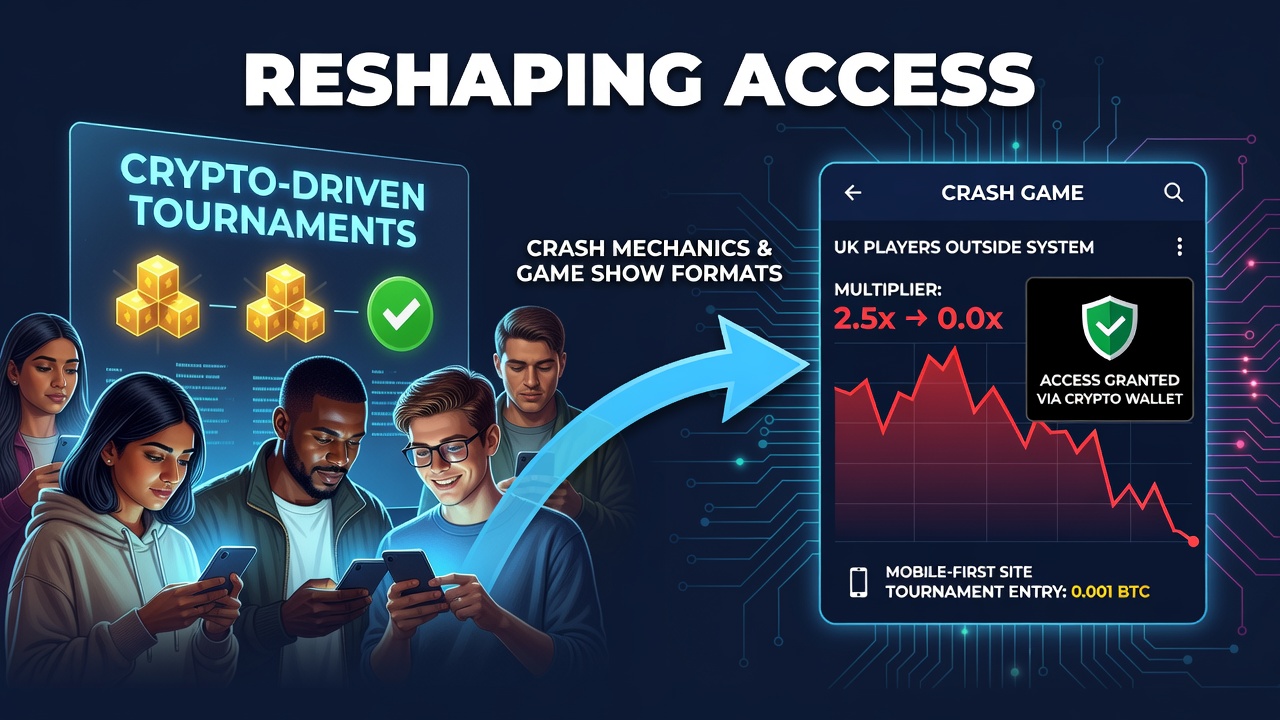
Platforms built around cryptocurrency have introduced tournament formats that integrate directly with game show mechanics and crash-style games, creating entry points for UK participants who operate outside conventional exclusion frameworks. These structures rely on blockchain verification for prize distribution and leaderboard tracking, which removes the need for repeated identity checks at mobile-first operators. Data from the International Centre for Gambling Studies shows rising participation in such formats through 2025 and into October 2026, with mobile traffic accounting for the majority of session starts.
Blockchain Mechanics Behind Tournament Entries
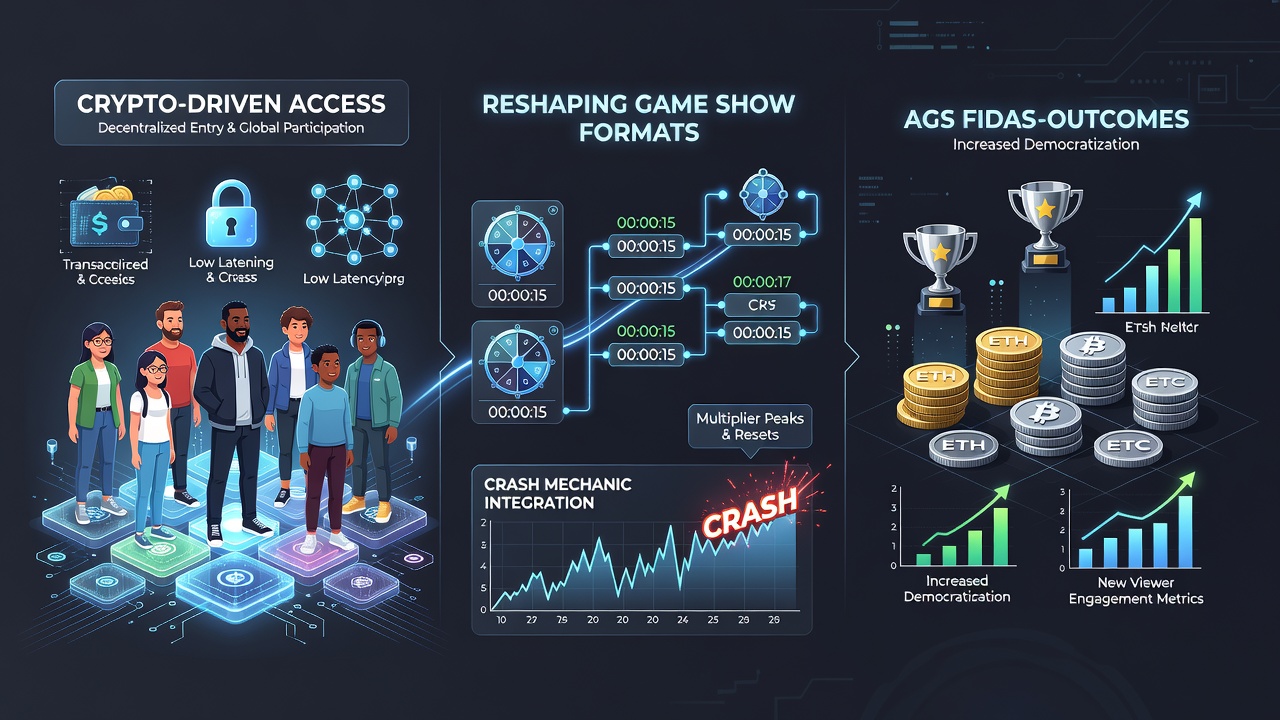
Smart contracts handle registration, stake collection, and payout triggers in real time, allowing players to join mid-round without waiting for manual approvals. Observers note that crash games benefit particularly from this setup because multipliers update on-chain, giving every participant a verifiable record of their position on the leaderboard. Game show formats, meanwhile, incorporate tournament brackets where contestants compete across multiple live rounds, with crypto wallets serving as the sole funding and withdrawal channel.
Those who have tracked these developments point out that mobile-first sites optimize the entire flow for smaller screens, using push notifications to alert users when a new tournament heat opens. This approach keeps session lengths short yet frequent, matching patterns observed in UK user data collected by independent analytics firms.
Integration With Game Show and Crash Formats
Game show titles now feature side tournaments that run alongside the main broadcast, awarding crypto bonuses based on prediction accuracy or survival time. Crash mechanics receive similar treatment, with daily and weekly leaderboards that reset automatically via contract code. Research from the Canadian Institute for Gaming Research indicates that platforms combining these elements report higher retention rates when crypto options replace traditional payment rails.
One case documented by industry analysts involved a mobile operator that layered a crash tournament onto an existing game show stream, resulting in a 40 percent increase in concurrent users during peak evening hours. The structure rewarded top finishers with pooled entry fees converted to cryptocurrency, settled within minutes of each round closing.
Mobile Optimization and Access Routes
Mobile-first design places heavy emphasis on one-tap wallet connections and instant balance updates, reducing friction that previously existed when players moved between deposit methods and live tables. As of October 2026, several operators have expanded their app features to include real-time tournament filters sorted by stake size and game type. Those filters surface both crash ladders and game show brackets without requiring additional verification steps beyond the initial crypto wallet link.
Figures released by the Australian Gambling Research Centre reveal that cross-border mobile traffic to crypto-enabled platforms grew steadily through 2025, with UK-origin sessions forming a measurable segment. The same report highlights that crash and game show hybrids attract users who prefer shorter, high-frequency sessions over extended table play.
Regulatory Context in Broader Markets
While UK-specific rules remain separate, operators serving this audience draw on compliance models tested in other jurisdictions. The Malta Gaming Authority, for instance, has examined blockchain audit trails as part of its licensing reviews, and similar frameworks appear in select European markets. These precedents allow platforms to maintain transparency logs that satisfy player demands for fairness without imposing extra identity layers.
Academic work published through the University of Nevada's gaming studies program further supports the observation that crypto tournaments scale efficiently on mobile infrastructure, provided wallet security and seed verification remain consistent across devices.
Future Trajectories for Tournament Structures
Platform developers continue to test hybrid formats that blend game show voting systems with crash multiplier mechanics, all tracked through shared leaderboards. Early pilots show that participants respond positively when entry fees and prizes stay denominated in the same cryptocurrency, eliminating conversion delays. Mobile operators have responded by releasing API updates that let users switch between tournament types without leaving the active session.
Industry observers tracking October 2026 metrics report sustained interest in these combined offerings, particularly among users who value speed and verifiable outcomes over traditional account management. The underlying architecture relies on decentralized ledgers to enforce rules uniformly, which in turn supports broader access for participants operating outside standard exclusion channels.
Conclusion
Crypto-driven tournaments have established measurable pathways into game show and crash formats at mobile-first sites, with participation data reflecting steady growth through late 2026. Blockchain handles verification, payouts, and ranking in ways that align with the technical preferences of UK users seeking alternatives to conventional systems. Continued refinement of mobile interfaces and contract logic suggests these structures will remain central to how such platforms organize competitive play.