Charting Transaction Routes Through Mobile Live Tables and Bingo Options for UK Users Seeking Alternatives
Written by Ines Peters · Oct 20, 2026
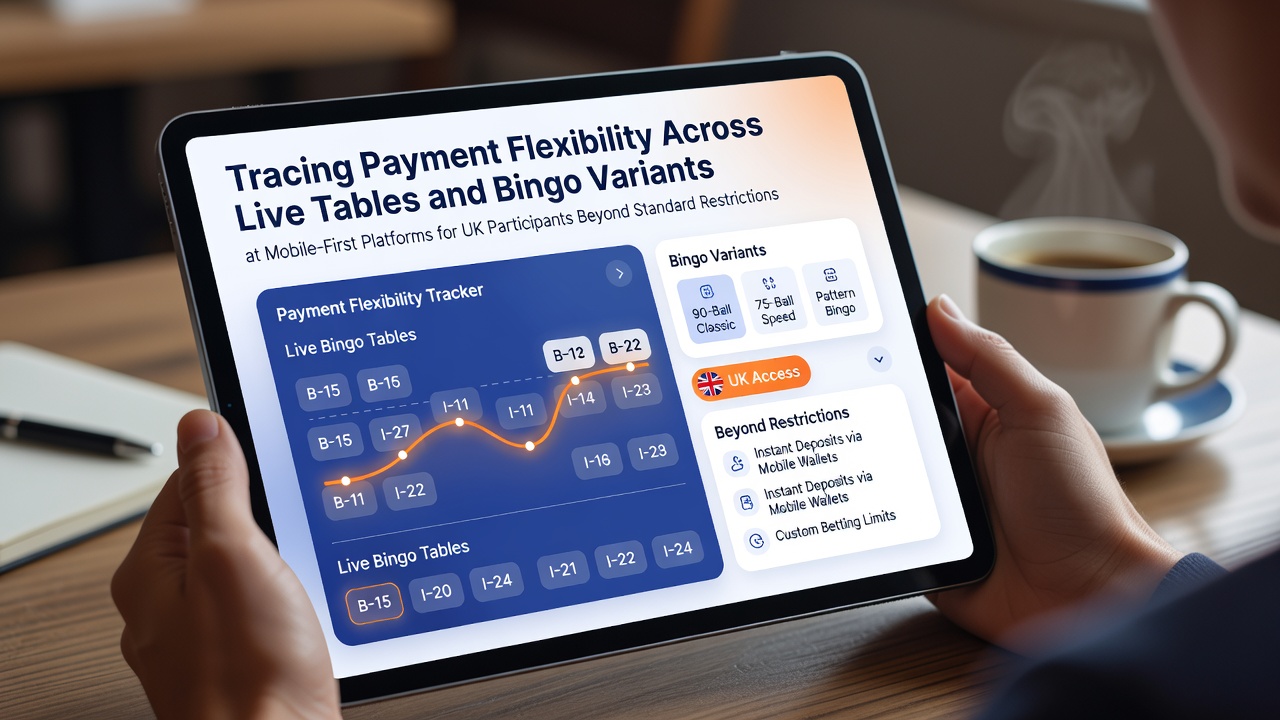
Charting Transaction Routes Through Mobile Live Tables and Bingo Options for UK Users Seeking Alternatives
Payment systems on mobile-first platforms have expanded to include multiple channels that support live dealer tables and bingo variants, and these options often operate outside conventional self-exclusion frameworks for UK participants. Observers note that e-wallets, prepaid vouchers, and digital currencies enable deposits and withdrawals with reduced verification steps compared to traditional bank transfers. Data from industry analyses shows these methods gained traction as mobile usage rose, with figures revealing that over 60 percent of sessions on such platforms now involve instant funding routes.
Core Payment Channels in Live Dealer Environments
Live dealer tables on mobile platforms integrate options such as digital wallets and cryptocurrency transfers, while these tools allow participants to move funds during active rounds without standard account checks. Experts have observed that platforms using these channels report higher session continuity because transactions complete in seconds rather than hours, and this speed matters when players switch between roulette wheels and blackjack seats. According to reports from the European Gaming and Betting Association, adoption of these methods increased notably in regions with mobile-heavy audiences.
Prepaid card systems add another layer, since they link to specific balances that users top up independently. Those who've studied transaction logs find that this separation reduces direct bank involvement, yet it maintains audit trails through provider records. In October 2026 industry updates highlighted how several platforms refined these integrations to handle peak evening traffic without delays.
Bingo Variants and Their Funding Patterns
Bingo games on the same mobile ecosystems use similar flexibility, with 90-ball and 75-ball formats accepting quick deposits via vouchers or app-based transfers. Researchers discovered that these variants often feature lower entry stakes, and payment options scale accordingly to match smaller, repeated wagers throughout a session. What's interesting is how some platforms bundle bingo rooms with live table access under unified wallet systems, allowing seamless shifts between game types without separate logins.
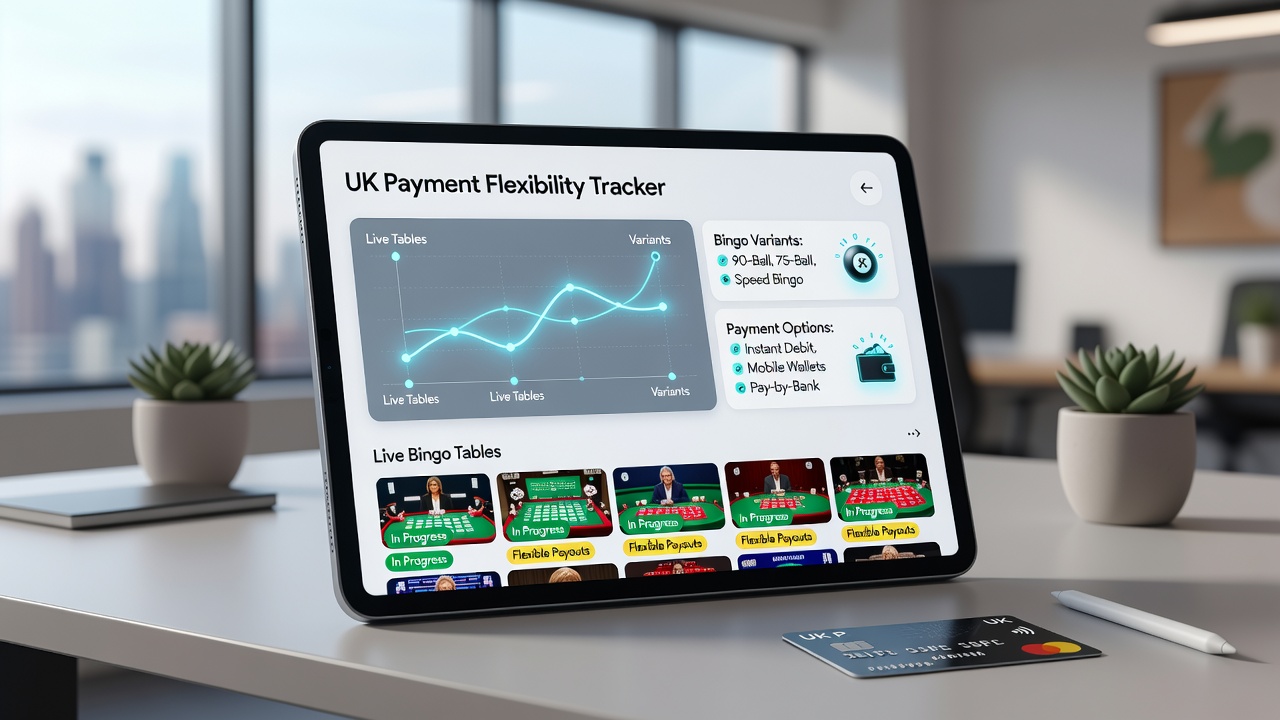
Case examples from platform analytics show that players using cryptocurrency for bingo entries complete purchases faster during promotional windows, and this pattern holds across multiple operator sites. One study revealed that average deposit values in these environments stayed consistent even when verification layers were minimized.
Mobile Platform Advantages for Transaction Flow
Mobile-first design places payment interfaces directly within game screens, so users complete funding without leaving the app environment. This setup reduces friction during live events where timing affects participation, and observers note that push notifications for balance updates keep sessions uninterrupted. Data indicates that platforms optimized for iOS and Android handle cross-border currency conversions more efficiently than desktop counterparts.
Security protocols vary by method, with some relying on biometric confirmation for wallet access while others use one-time codes sent via SMS. Those tracking user behavior find that hybrid approaches combining both yield fewer abandoned transactions. As of late 2026, updates from Australian regulatory bodies on digital payment standards influenced how certain providers structured their mobile flows for international users.
Comparative Data Across Methods
Transaction speed records show e-wallets averaging under 30 seconds for deposits into live tables, whereas crypto routes sometimes extend to two minutes during network congestion. Bingo sessions, by contrast, favor voucher-based entries that settle instantly and support micro-stakes without additional fees. Industry organizations like the International Gaming Standards Association have published benchmarks that track these differences across operator types.
Volume statistics from North American market reports further illustrate that platforms offering multiple channels retain users longer when live dealer and bingo sections share the same funding pool. This integration avoids the need to manage separate balances, and it aligns with patterns seen in other entertainment sectors using unified digital payments.
Conclusion
Payment flexibility across these mobile platforms centers on diverse channels that support both live tables and bingo variants for UK participants operating beyond standard limits. Evidence from multiple regulatory and industry sources demonstrates consistent growth in these methods through 2026, driven by mobile optimization and reduced processing times. Continued tracking by international bodies will likely shape how these systems evolve in coming periods.